
GNSS-R (GNSS Reflectometry)
Reflected Signal Remote Sensing Platform
Project Overview
GNSS satellites transmit free source of coherent radio waves illuminating the Earth's surface 24 hours a day, these signals are also reflected from different objects and can be utilized in various remote-sensing applications as they contain valuable information regarding the reflecting surface. Large number of GNSS satellites are available including US Navstar GPS (24 to 32 satellites), the Russian GLONASS (24 satellites), the European GALILEO (30 satellites) and the Chinese BeiDou or COMPASS (35 satellites). These numerous GNSS sources are continuous, all-weather and near-real-time microwave (L-band) signals are available through the Earth's atmosphere. GNSS based remote sensing has the attraction that user can take advantage of the expensive GNSS infrastructure maintained for navigation purposes and no dedicated transmitter is required.
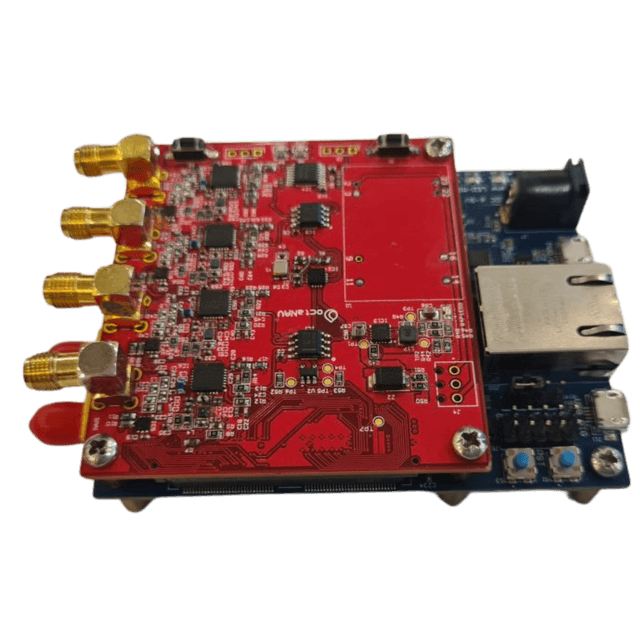
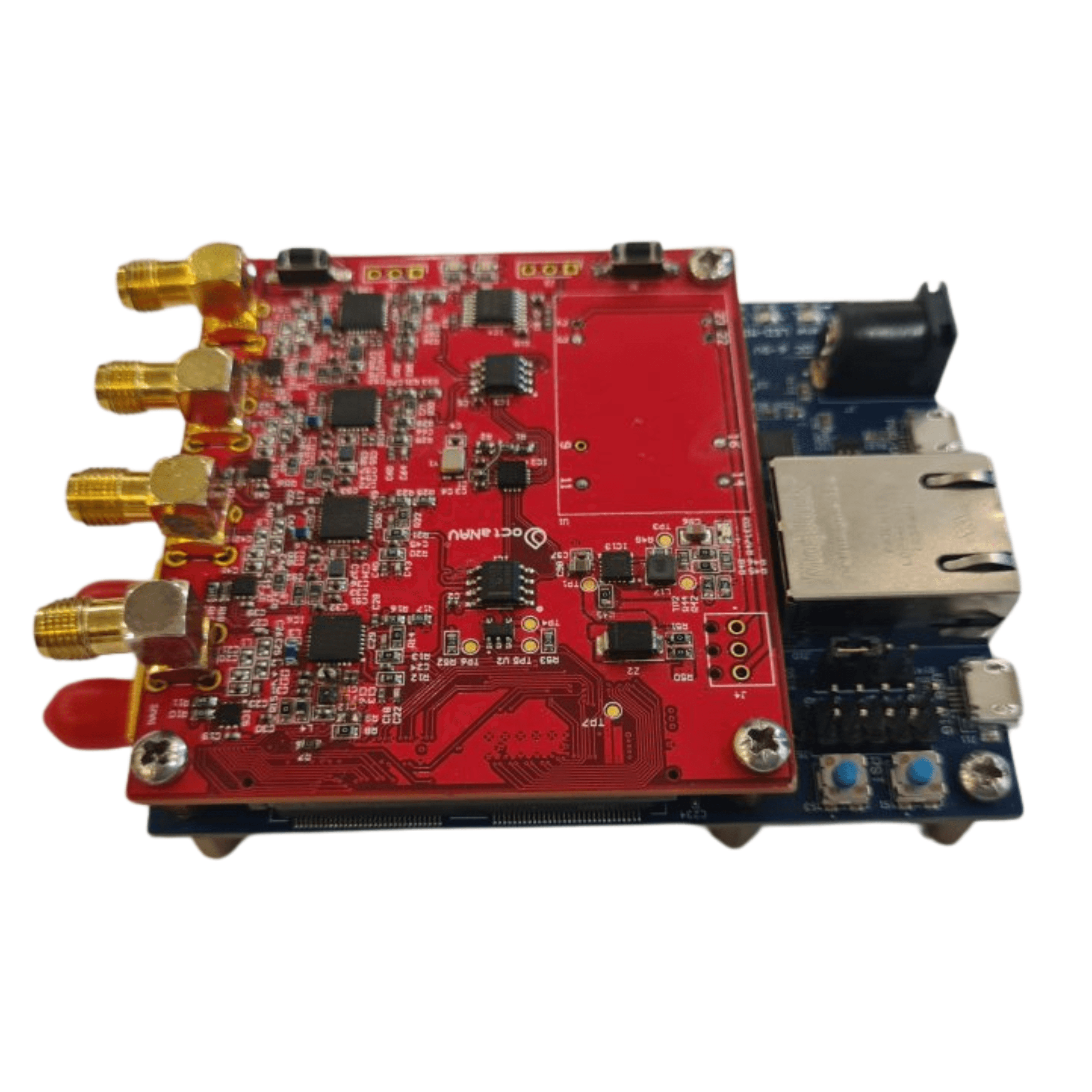
Figure 1: GNSS Hardware Setup
System Hardware
Typically, the GNSS remote sensing hardware consists of:
Advanced Signal Processing
The major challenge is the reception of weak reflected GNSS signals with low SNR. Our approach:
Remote Sensing Applications
The reflected GNSS signals have the potential to be applied in various remote sensing applications:
Outcomes & Impact
Project Info
Client
In-house Project
Category
GNSS & Navigation